Proof That the Model Is Grounded in Real Work
Connect To Give is built from advancement practice, founder insight, and ecosystem relevance, not concept alone. The strongest proof comes from real-world giving-circle work at Spelman College.
$500K
Endowed Scholarship
21
Alumnae
65%
Not already large prior donors
85%
Joined to give with fellow alumnae
The Spelman Story
The flagship proof for Connect To Give is the Spelman-centered giving-circle story. It matters because it demonstrates that donor circles can be more than a theory. They can be a practical mechanism for mobilizing alumni around shared purpose and stronger commitment.
“The strongest proof behind Connect To Give comes from real-world giving-circle work connected to Spelman. That story demonstrates the core premise: alumni relationships, leadership, and shared accountability can be organized in ways that support stronger fundraising outcomes.”
What the Spelman Proof Demonstrates
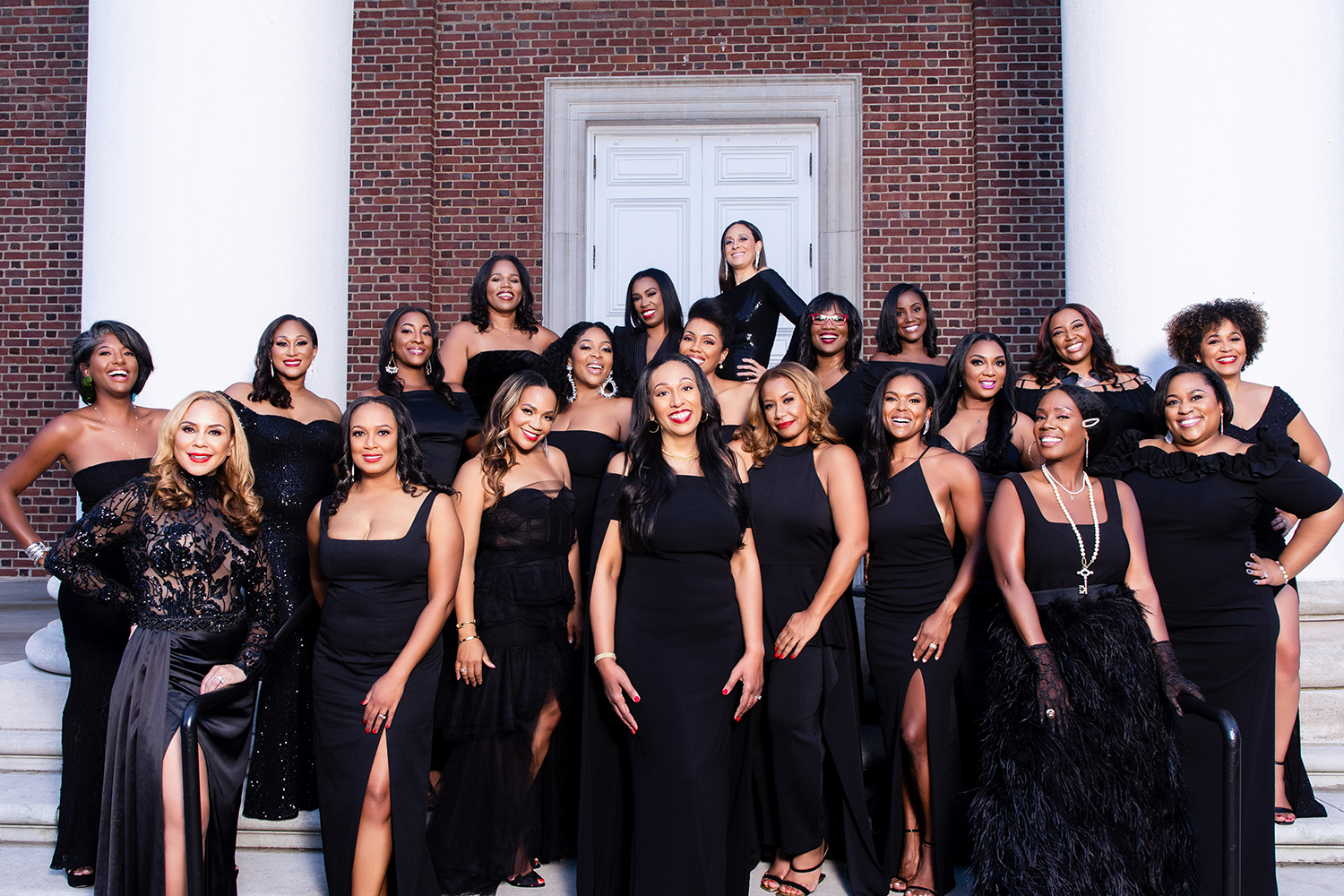
2020 Visionaries Giving Circle
Endowed Scholarship
$500,000
Alumnae
21
From Pride to Participation
The Spelman story bridges real proof with the Claim My School logic. Pride and affinity came first. Peer invitation converted that into group action. Group action produced a major outcome.
Pride & Affinity
Emotional connection to institution came first
Peer Invitation
Trusted leaders mobilized their networks
Group Action
Organized Giving Circle with accountability
Major Outcome
$500,000 endowed scholarship mobilized
Connect To Give exists to make that transition more systematic and repeatable for institutions ready to explore the model.
Founder Credibility
Britt Hogue, a Spelman alumna whose participation in a peer-led Giving Circle helped mobilize a $500,000 endowed scholarship, experienced firsthand the power of collective giving. That experience directly inspired the creation of Connect To Give. Together with Tycely Williams, a veteran fundraising strategist who has helped raise over $600 million, they bring both proof of concept and the expertise to scale it.
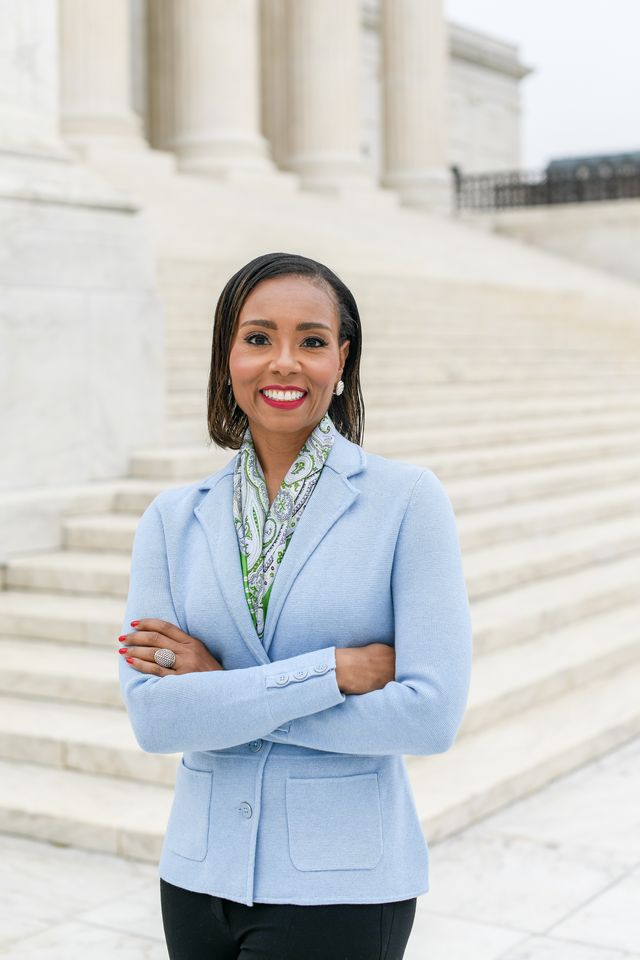
Tycely Williams
Co-Founder
Advancement Strategist
Tycely Williams is a veteran fundraising strategist and trusted relationship builder with nearly three decades of experience in advancement. Over her career, she has helped raise and manage over $600 million, building deep expertise in donor engagement, major gifts, and the relationship-centered strategies that drive long-term philanthropic growth.
At Connect To Give, Tycely brings the institutional insight and fundraising credibility behind the platform's mission to help schools unlock more giving through peer influence, shared purpose, and structured donor circles.
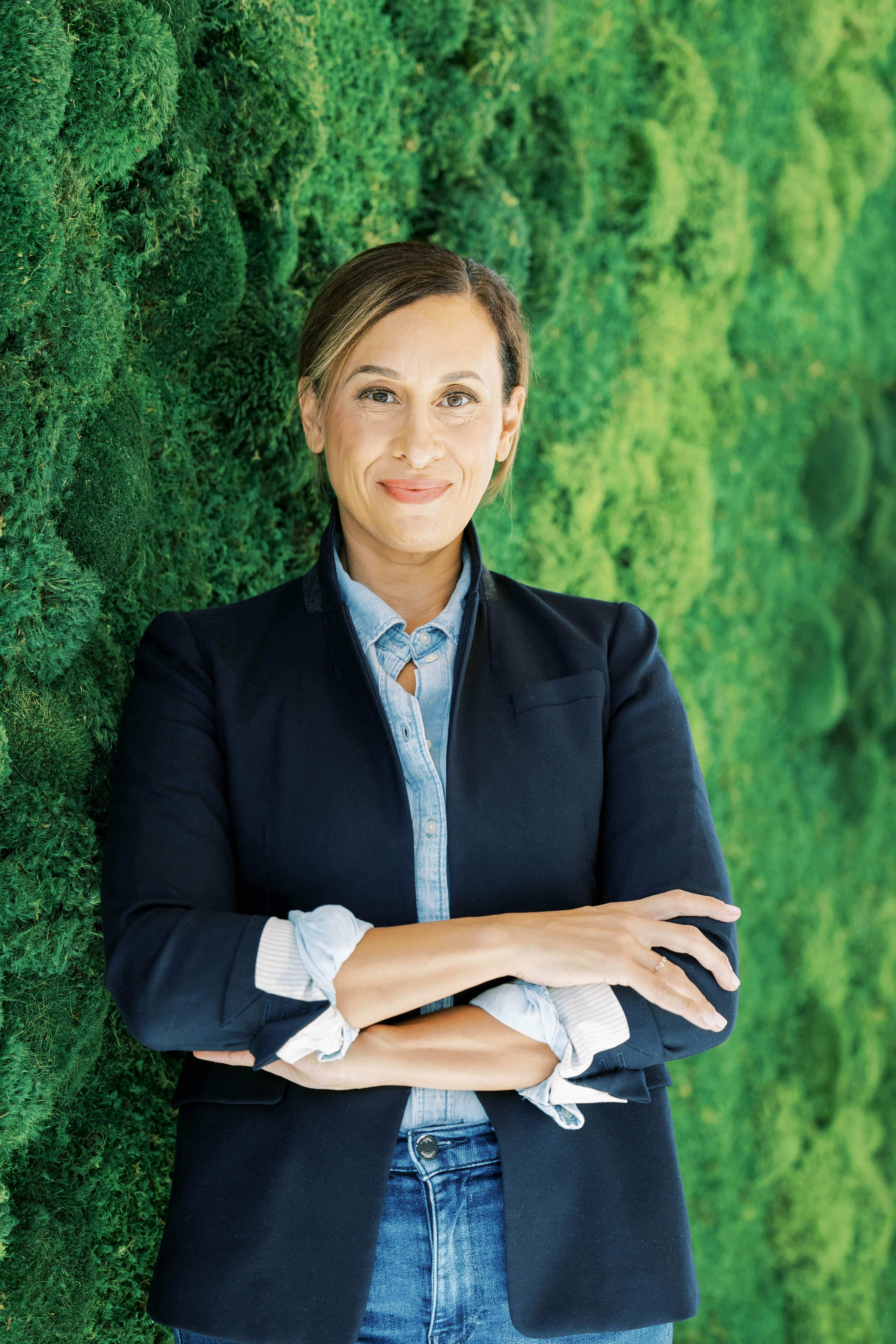
Britt Hogue
Co-Founder
Operator & Living Proof
Britt Hogue is a strategist, operator, and social impact leader with more than 20 years of experience designing and scaling multi-million-dollar solutions. A former investment banker and corporate strategist turned nonprofit management consultant, she brings both analytical rigor and firsthand donor insight to Connect To Give.
Britt also serves as the living proof behind the model: after years of giving to Spelman in small amounts, she joined a peer-led Giving Circle that helped mobilize a $500,000 endowed scholarship, demonstrating the power of connection, accountability, and collective giving to transform overlooked donors into major supporters.
How the Circle Came Together
Not a broad appeal. A peer-led circle built around shared identity, a clear goal, and a multi-year commitment.
A trusted peer made the ask
- Invitation through a trusted classmate
- Relationship, not mass outreach
- The ask came from someone they knew
A small group formed around a clear goal
- ~20 classmates, one objective
- The 20/20 Visionaries Endowment Fund
- Bigger than any single gift — shared purpose
The circle changed what felt possible
- Some had never given above $1,000
- Inside the circle, commitment grew
- Britt moved from $100 checks to a $25,000 gift
From $100 to $25,000
Collective commitment led to a real outcome
- Over four years, $500,000+ pledged
- Endowed scholarship established
- Peer accountability drove sustained action
Why this proof matters
- It was peer-led, not staff-led alone
- It centered on a clear endowed-scholarship goal
- It helped translate smaller or inconsistent giving into a larger collective result
- It unfolded over multiple years, showing sustained commitment
- It offers a practical example institutions can learn from
The insight: identify the right leaders, organize around trust and shared purpose, support accountability — and alumni networks can move from passive affinity to organized philanthropy.
What the Cohort Revealed
A post-circle donor survey revealed that the strongest drivers were not simply pre-existing major-gift intent, but alumnae connection, trust, and the opportunity to create an enduring gift together.
85%
Joined to give alongside fellow alumnae
Connection as the primary motivator
75%
Wanted to create an enduring gift
Legacy and lasting impact mattered
70%
Said trust in the women involved mattered
Peer confidence was essential
30%
Were already ready to make a large gift
Most were not pre-existing major donors
What This Means
The survey suggests the circle expanded donor behavior by turning alumnae pride, peer trust, and shared purpose into collective action. Only 30% said they were already ready to make a large gift, while 85% were motivated by giving with fellow alumnae. This indicates that the model did more than organize existing major donors — it helped activate a broader cohort around identity, trust, and lasting impact.
Before Joining the Circle
Large gifts ($1K+)
Medium regular gifts
Medium irregular
Small irregular
The cohort included a mix of giving histories — not just obvious major-donor profiles.
Why This Matters for Institutions
The right alumni structure can activate donors beyond the usual major-gift pool
Peer trust can be a stronger catalyst than generic outreach alone
Identity and pride are not soft factors — they are conversion factors
Giving Circles can help move passive affinity into organized philanthropy
Explore the Spelman Story
Read the full story of how the 2020 Visionaries Giving Circle mobilized a $500,000 endowed scholarship for Spelman College and inspired the creation of Connect To Give.
Sector Context
The Spelman proof is the foundation. These signals show it sits within a broader ecosystem conversation — not as replacement, but as reinforcement.
Blackbaud Social Good Startup Program
Selected for Blackbaud’s January 2025 cohort — a tech accelerator for early-stage companies building solutions for the social impact sector.
Read the announcement
Featured in Sector Conversation
Connect To Give’s model is part of an active sector dialogue on peer-led giving, donor participation, and more intentional alumni engagement.
View coverageRelevant to Major Gifts Strategy
The model addresses how institutions can move alumni from passive affinity into sustained, larger philanthropic commitment — a core major gifts challenge.
View articleGrounded in practice. Recognized in the ecosystem. Relevant to the conversation institutions are already having about alumni engagement.